This page explains exactly what can be changed, what we need from you, and how a typical custom order runs from first enquiry to delivery.
OEM and ODM
OEM: your specification, our production
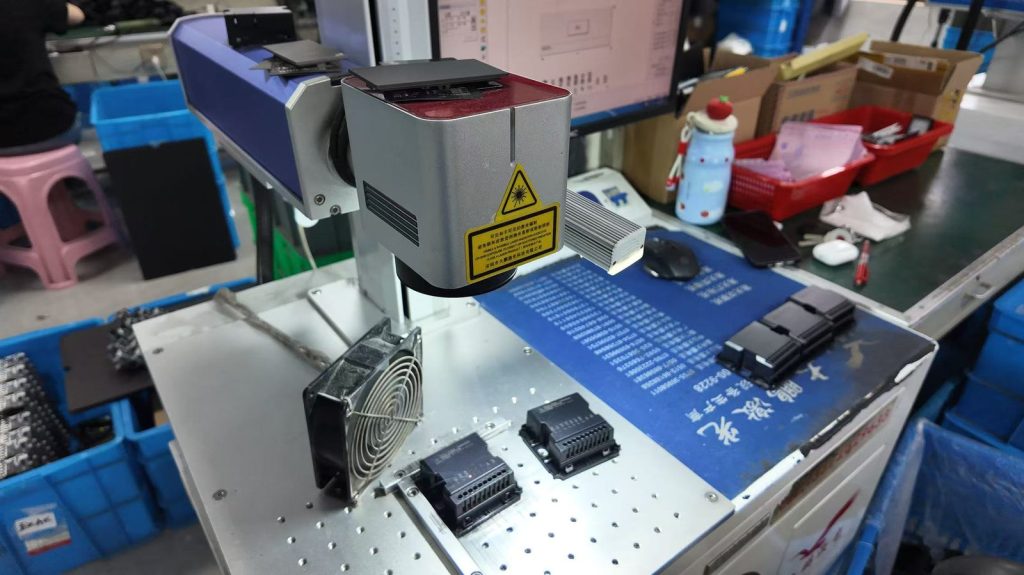
- Logo printed, engraved or moulded onto the product.
- Custom retail packaging, inner cartons, manuals and care labels.
- Colour, finish and material options within an existing product platform.
- Voltage, plug standard, load rating and firmware set for your market.
- Dimensions adjusted to fit your room plan or container target.
ODM: new product development
When nothing in the existing range fits, a new product can be developed. A typical development cycle covers concept and sketches, a technical drawing, tooling or prototype samples, buyer approval, a pilot run and then mass production.
Tooling cost and ownership are agreed in writing before work starts, and tooling normally remains available for that buyer’s repeat orders.
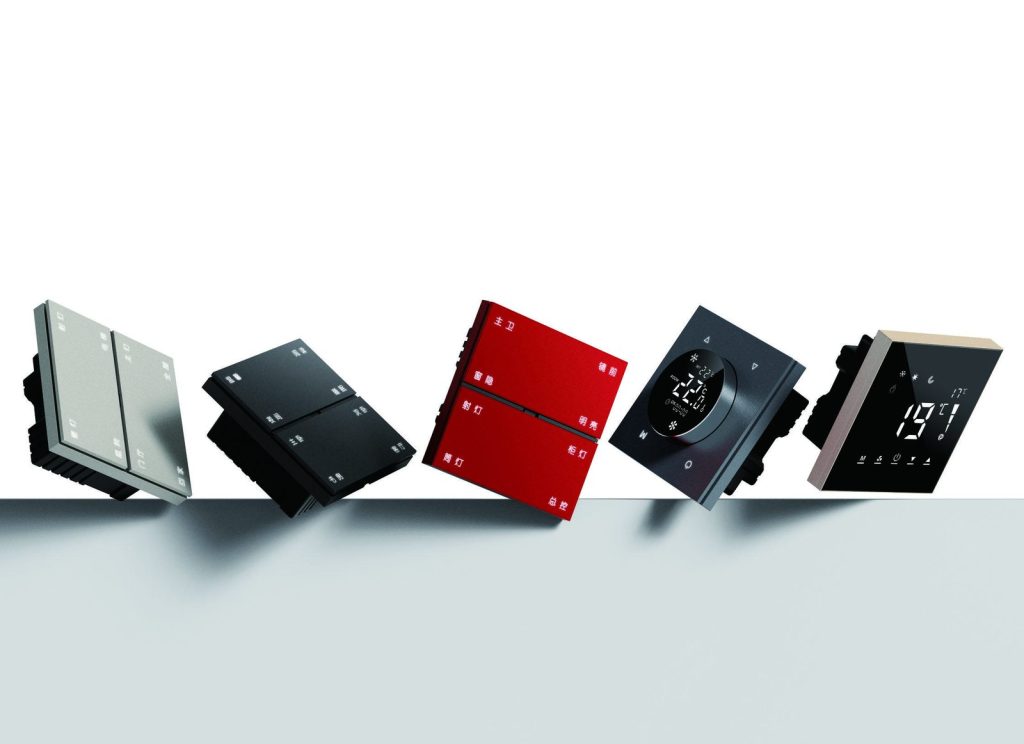
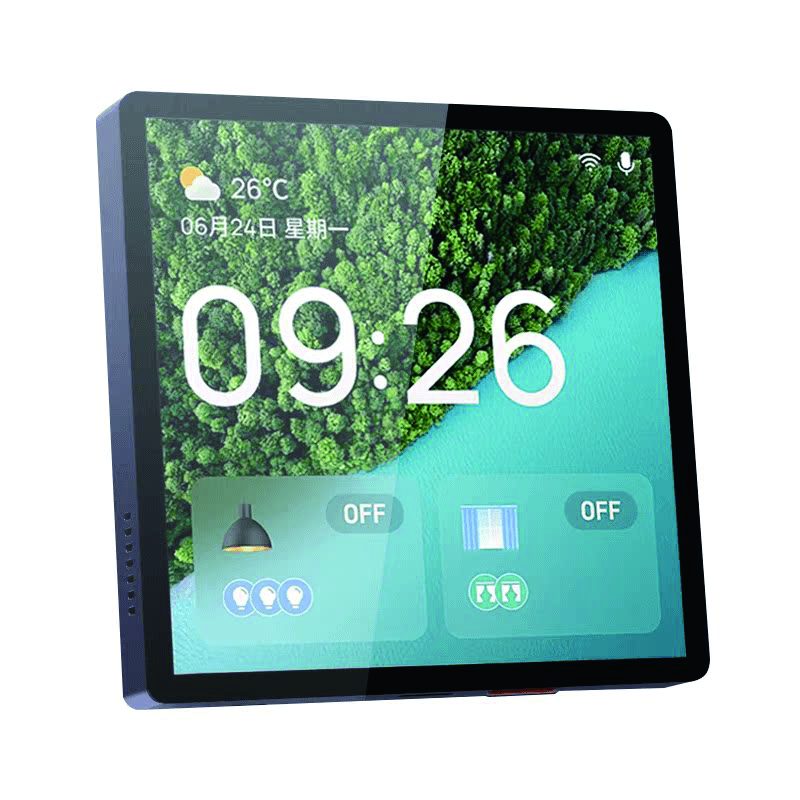
The starting points are the smart switch range and the furniture collections.
What we need from you
- Product type, quantity per order and expected annual volume.
- Target market, so compliance and standards can be confirmed early.
- Function, dimensions, material and finish requirements.
- Brand assets and packaging expectations.
- Target price and target shipment date.
- Any existing sample, drawing or competitor product to work from.
How a custom order runs
- 1. Enquiry – you send the specification above, and we confirm feasibility and the questions that still need answers.
- 2. Quotation – unit price at agreed quantities, sample cost, tooling cost and lead time.
- 3. Sampling – a physical sample is produced and shipped for approval.
- 4. Approval – appearance, function, packaging and labelling signed off in writing.
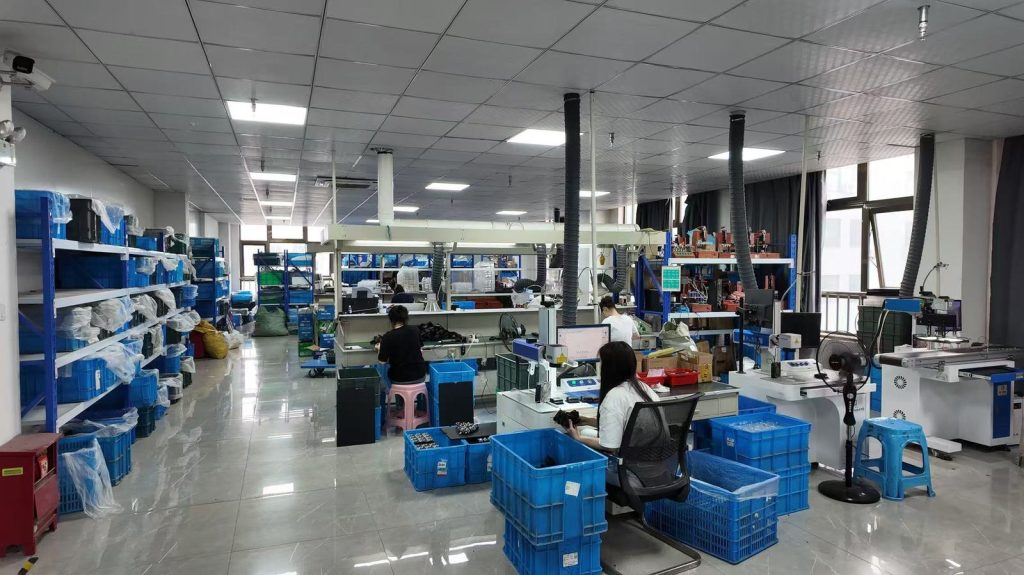
- 5. Production – manufacturing with in-line checks and a pre-shipment inspection.
- 6. Inspection and shipping – inspection report, photos or video, then shipment on the agreed terms.
Steps 4 to 6 are the same approval points described in detail on the quality control page.
Order sizes
Minimum order quantity depends on the product, the material and whether new tooling is involved. Trial orders are accepted on many standard models so a buyer can test the market before committing to a full container.
Read more about the product divisions, quality control, or the company. This site is an independently built SEO case study; the company name and all product details shown are fictitious.