SMART SWITCHES / WALL CONTROL
Smart Wall Switch
The smart wall switch is the core product of our switch division: a mains-voltage wall switch controlled from a phone, a voice assistant or a physical button, supplied in EU, UK, US and universal standards.
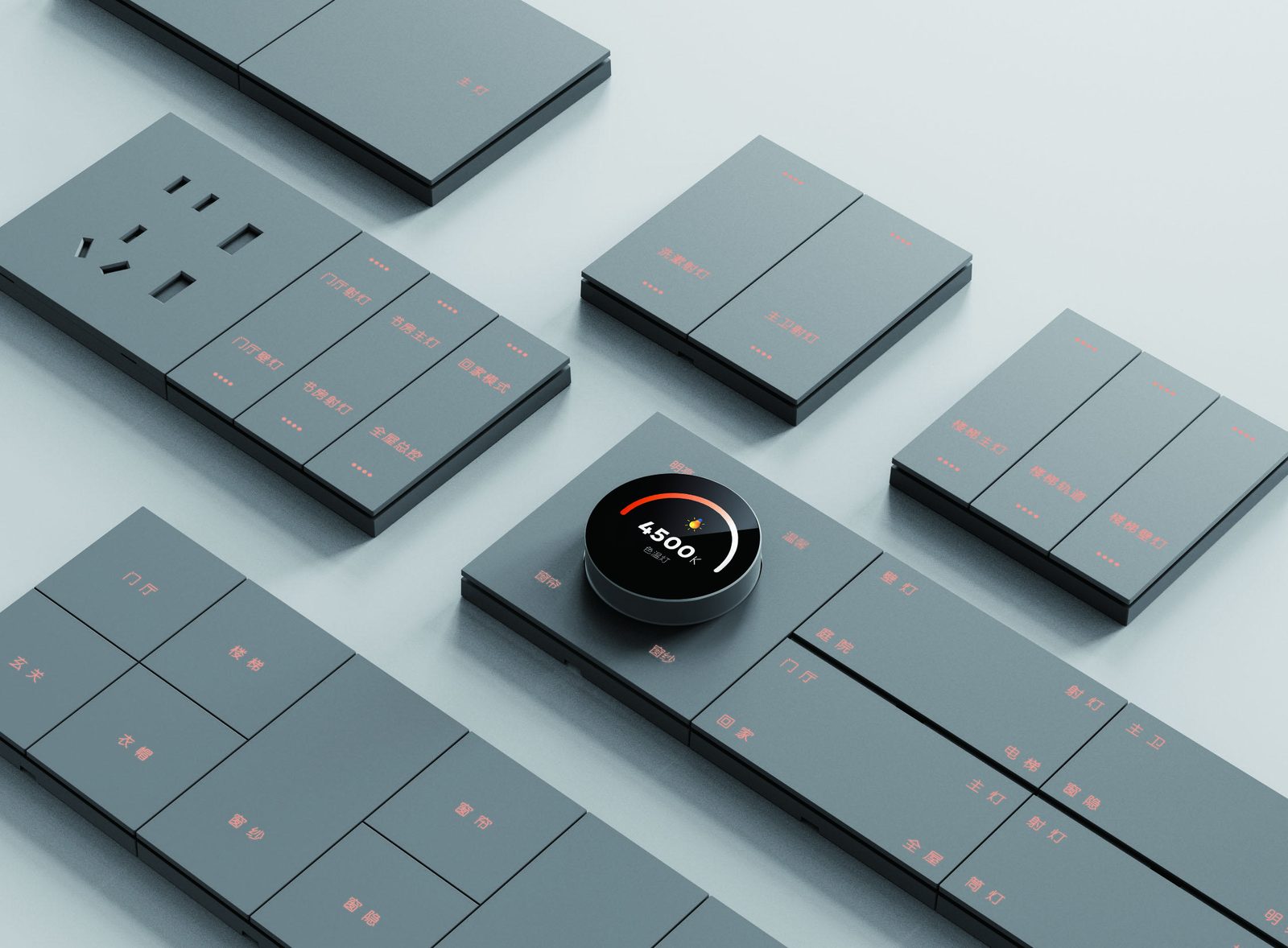
VISUAL DETAILS
Inside the range
Buyers order this range most often for apartment projects, hotel guest rooms, rental properties and residential renovation packages, where the switch has to look like a normal wall plate but behave like a smart device.
Available configurations
- 1, 2, 3 and 4 gang versions, with or without a neutral wire.
- Wi-Fi 2.4 GHz, Zigbee 3.0 or Bluetooth mesh control.
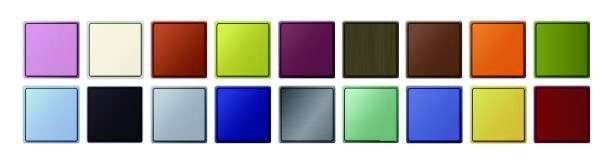
- Tempered glass or flame-retardant PC faceplate, white, black, gold or brushed finish.
- Capacitive touch or mechanical button operation, with optional blue, white or amber indicator.
- Standard sizes for EU, UK, US and universal back boxes.
Devices that should work without loading the Wi-Fi network are usually ordered from the Zigbee range instead.
Technical data and OEM options
Typical technical data
- Input: 100-240 V AC, 50/60 Hz.
- Load per gang: agreed with the buyer for resistive and inductive loads.
- Standby consumption and wireless range specified per model.
- App control, schedules, timers, scenes and voice assistant support.
OEM options for this product
- Laser-engraved or printed logo on the faceplate.
- Own retail box, manual and multilingual labelling.
- Button layout and housing changes from a new mould.
- Firmware configuration to match your market’s voltage and wiring practice.
Samples
Samples are normally shipped within 5 to 7 days so wiring, load rating, finish and app behaviour can be tested before a bulk order. Buyers who also need sockets, plugs or scene control for the same rooms normally order them in the same shipment – see the socket and plug range.
Choosing the right wall switch
The best starting point is the wall box and the person who will use the switch every day. Confirm the local wiring standard, whether a neutral wire is available and how many lighting circuits must be controlled from one position. Then choose the operating interface: a capacitive touch panel gives a flat, easy-clean surface, while a mechanical button gives more definite feedback for residents, staff or guests who prefer a familiar press.
Protocol should be selected after the room count and app strategy are known. A small flat can work with Wi-Fi switches, while a hotel or apartment block may need Zigbee for gateway control, local scenes and a lower load on the building’s Wi-Fi network. More detail is available in the guide to Zigbee versus Wi-Fi smart switches.
Wiring and installation planning
Back-box dimensions matter as much as the visible faceplate. The installer needs the correct depth for the module and wiring, the right screw centres and enough clearance for the wall finish. On renovation projects, a shallow box may rule out some configurations even when the plate size is correct. Send a photo of the box and its internal measurements when the wiring standard is unusual.
Each gang should be matched to its load. LED drivers, transformers, fans, pumps and motors may behave differently from simple resistive lamps, and an apparently small load can still create a high inrush current at switch-on. Record the equipment type, quantity and rating for every circuit. If dimming or multi-way control is required, confirm the compatible model and wiring diagram before ordering; do not assume that a standard switch can be used with every driver.
| Parameter | Options to discuss | Confirm at quotation |
|---|---|---|
| Gangs | 1, 2, 3 or 4 controlled circuits | Room layout and gang sequence |
| Protocol | Wi-Fi 2.4 GHz, Zigbee 3.0 or Bluetooth mesh | App, gateway and device count |
| Neutral wire | Neutral-required or no-neutral version | Existing wall-box wiring |
| Input | 100-240 V AC, 50/60 Hz | Destination-market voltage |
| Load per gang | Resistive and inductive equipment | Actual connected load and inrush |
| Faceplate | Tempered glass or flame-retardant PC | Colour, gloss level and sample approval |
| Operation | Capacitive touch or mechanical button | Guest or resident preference |
| Back box | EU, UK, US or universal size | Depth, screw centres and wall opening |
| Indicator | White, blue, amber or no backlight | Night-time behaviour and visibility |
Finish and interface selection
A finish that suits a showroom may not suit a rental apartment or hotel room. Gloss glass reflects light and shows fingerprints, while matt or lightly textured PC can be easier to maintain in high-use corridors. White, black, gold and brushed finishes are available, but the final choice should be checked against the actual wall colour, cabinet hardware and socket plates. A physical sample under warm and cool lighting is more reliable than a screen image.
Logo position, indicator brightness and button spacing also affect the finished interface. A logo can be engraved or printed on the faceplate, but it must not interfere with the touch area or night-time visibility. For hotel projects, consider labelling rooms or circuits in a separate schedule rather than printing permanent room numbers on the product.
What a complete switch request should include
Send the destination country, wiring standard, back-box measurements, gang count, load list, protocol preference, faceplate finish, logo artwork, quantity and required delivery date. Add a room-by-room schedule if the project has more than one product type. This allows the quotation to cover compatible sockets and plugs, spare faceplates and the correct approval samples in one reply.
Frequently asked questions
Can a smart wall switch be installed without a neutral wire?
Yes. Both neutral-required and no-neutral versions are produced. Which one suits your market depends on the local wiring practice and on the load being switched, so the wiring standard is confirmed before the order is placed.
Why choose a Zigbee wall switch instead of a Wi-Fi one?
Wi-Fi models connect directly to the router and suit homes and small installations. Zigbee models join a mesh through a gateway, which keeps standby power low and avoids loading the Wi-Fi network when dozens of devices are installed in the same building.
Can the faceplate carry our own logo and finish?
Yes. Logos are laser engraved or printed on the faceplate, and faceplates are produced in tempered glass or flame-retardant PC in white, black, gold and brushed finishes. Button layout and housing changes can also be made from a new mould.
Read more about the full switch range, quality control, OEM and ODM, or the company. This site is an independently built SEO case study; the company name and all product details shown are fictitious.
WORKING TOGETHER
A clear route from brief to shipment.
Specification, samples, production and packing stay on one documented path, so the approved finish is the finish that ships.
Start a project briefShare the brief
Product type, market, finish and quantity.
Approve the sample
Materials, interface and app behaviour.
Lock production
Specification, packaging and inspection plan.
Ship with clarity
Carton marks, loading plan and handover.
YOUR NEXT STEP
Let’s build it to your specification.
Send your product requirements, target market and estimated quantity. We will reply with the next steps for samples, quotation and production.