SMART SWITCHES / POWER CONTROL
Smart Socket & Plug
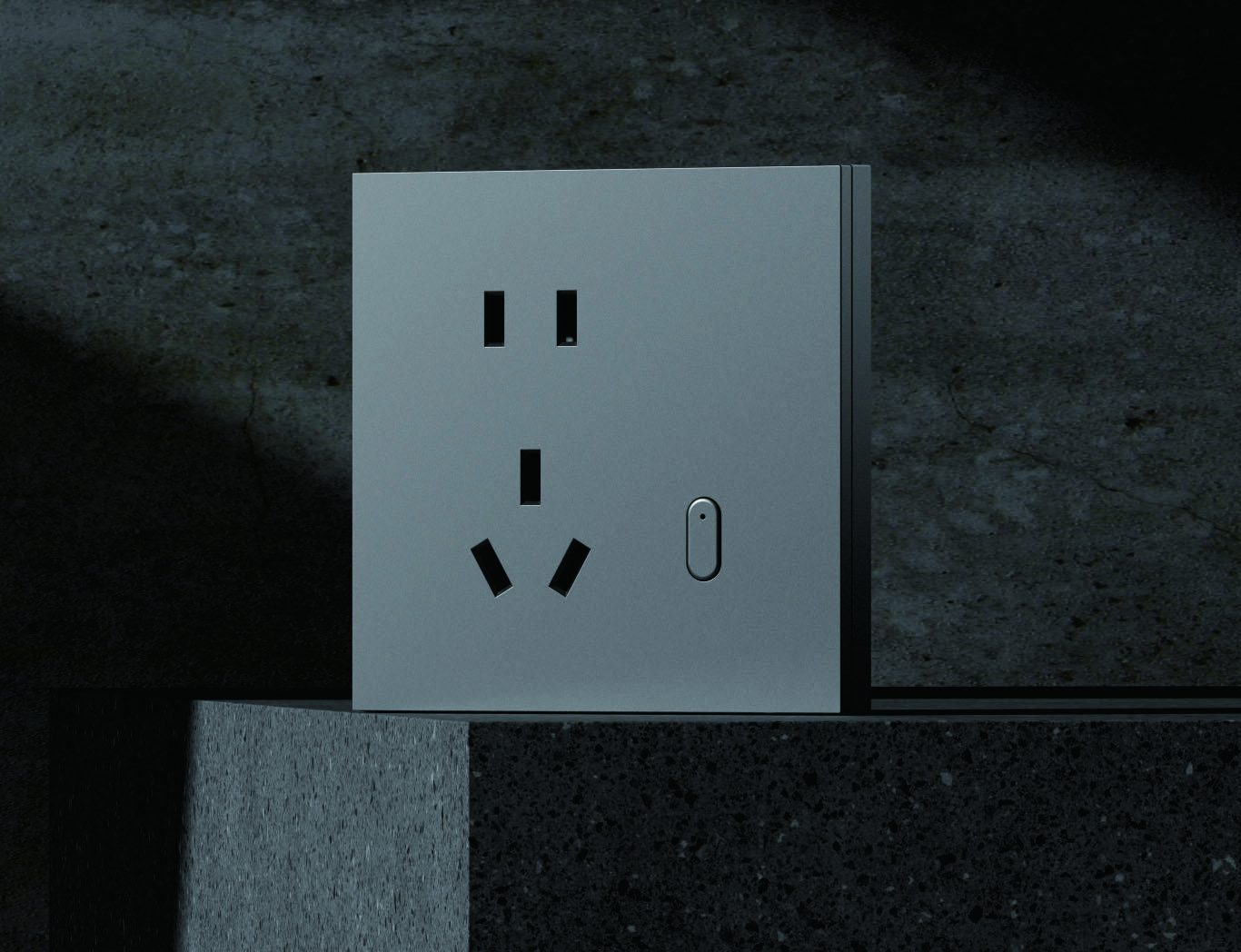
Smart sockets and plug adapters let buyers add app control, scheduling and energy monitoring to a property without touching the wiring. The range covers wall sockets, plug-in adapters and extension options in EU, UK, US and universal standards.
VISUAL DETAILS
Inside the range
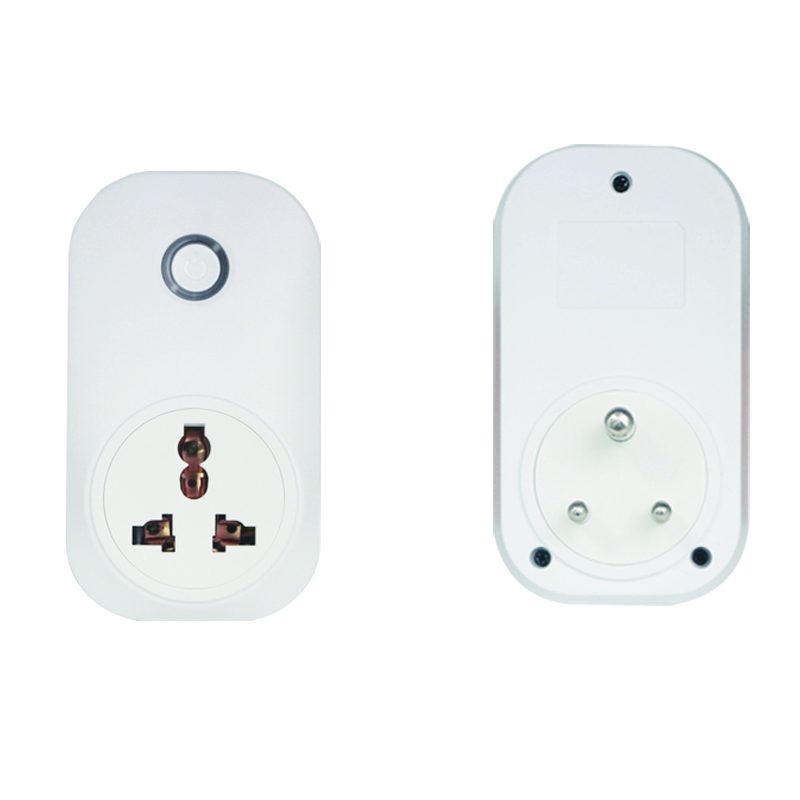
Because the plug-in versions need no installation, they are also the usual starting point for retrofit projects and for buyers who want to test the app and metering behaviour before committing to wall-mounted stock.
Available configurations
- Wall socket with smart control, or plug-in adapter for retrofit projects.
- With or without power metering and consumption history.
- Single, double and multi-outlet versions, with USB charging options.
- Overload, over-current, over-temperature and surge protection.
- Wi-Fi 2.4 GHz and Zigbee 3.0 control.
Where buyers use it, and how it is branded
Where buyers use it
- Rental apartments where tenants pay for electricity.
- Hotel rooms and serviced apartments that need scheduled load control.
- Home offices with high-draw equipment on a single circuit.
- Retail and office fit-outs that need remote switching for displays or equipment.
OEM options
- Custom housing colour and logo moulded or printed on the body.
- Market-specific plug and socket standards.
- Own packaging, manual and compliance labelling.
- Firmware preset for your market’s default tariffs and schedules.
Matching it with the rest of the installation
Sockets and plugs are normally specified in the same finish as the wall switches in the same room, and the metering data is often used for the same reporting the hotel or landlord already needs. Buyers who also furnish the property order the furniture division in the same shipment.
Wall socket or plug-in adapter?
The choice is usually decided by the building work, not by the feature list. A wall socket replaces the installed outlet and gives a permanent, flush finish for new construction, renovation and hotel rooms. A plug-in adapter uses the existing outlet, so it can be installed without an electrician and moved between properties. For a first trial order, adapters are useful for testing the app, schedules and metering before a wall-socket specification is committed.
Both formats must match the destination socket standard, pin layout, voltage and plug depth. A universal socket may accept several plug types but can have different internal clearance and certification requirements from a dedicated EU, UK or US outlet. Confirm the country, the appliances that will be connected and whether the plug or socket must be child-protected before sampling.
Metering and load control
Metering is most useful when there is a clear reporting task behind it: recharging tenants for electricity, checking a building’s energy use, scheduling a display or identifying equipment left on outside working hours. The app should show the consumption history in a format the operator can use, and the metering accuracy and reporting interval must be included in the specification. A product intended for monitoring is not automatically suitable for billing; that use needs its own accuracy and verification requirements.
Load control should also account for what is plugged in. A space heater, kettle, power tool or motor may draw more current than a lamp or television, and multi-outlet versions can concentrate several loads in one place. List the highest continuous load, the expected simultaneous load and any equipment with a high start-up current. Protection thresholds and derating are then agreed for the intended market rather than copied from a generic retail listing.
| Parameter | Options to discuss | Confirm at quotation |
|---|---|---|
| Product format | Wall socket or plug-in adapter | New installation or retrofit |
| Outlets | Single, double or multi-outlet | Socket count and spacing |
| Metering | Metering or non-metering model | Reporting use and accuracy requirement |
| Protection | Overload, over-current, over-temperature and surge | Connected equipment and load profile |
| Standard | EU, UK, US or universal | Country, plug type and certification |
| Wireless | Wi-Fi 2.4 GHz or Zigbee 3.0 | Router, gateway and app ecosystem |
| Charging | USB or USB-C options where required | Output allocation and outlet layout |
| Housing | Colour, material and logo position | Finish sample and retail presentation |
Protection and installation planning
Protection features must be matched to the way the product is installed. A wall socket has permanent line and neutral connections and may sit on a ring or radial circuit, while a plug-in adapter relies on the existing outlet and the condition of its contacts. The installer should check terminal capacity, cable size, earth continuity, wall-box depth and the rating of the upstream circuit before fitting any smart socket.
- Record the outlet standard, wall-box depth and number of wires at each position.
- Separate high-load equipment from low-power devices in the schedule.
- Confirm whether the socket needs a switch, indicator, shutter or USB outlet.
- Check that the chosen plug body will not obstruct adjacent outlets or furniture.
Coordinate sockets with the rest of the building
A socket schedule is easier to approve when it is drawn together with the lighting, furniture and equipment layouts. Desk units, bedside tables and kitchen worktops may hide an outlet or block a plug adapter, so the position should be checked before cabinetry is fixed. Faceplate colour can also be coordinated with the wall switch range and the furniture hardware.
For export orders, confirm the reports and markings required for the destination market before production. The article on smart switch certifications importers should ask for explains how to build a document checklist for sockets, plugs and switches. This keeps the technical file, product label and packaging aligned with the quotation.
Frequently asked questions
Do the plug-in smart adapters need any installation?
No. The plug-in versions work in an existing socket, which makes them the usual choice for retrofit projects and for buyers who want to test the app and metering behaviour before committing to wall-mounted stock. Wall sockets are supplied when the socket itself is being replaced.
What can the energy metering data be used for?
Metering models report consumption per socket or per plug, which landlords and hotel operators use for recharging tenants and for reporting on building load. The accuracy tolerance is agreed in the specification, because it determines which metering circuit is used.
Which plug and socket standards can be supplied?
EU, UK, US and universal. Pin layout, socket depth and the applicable certification differ by market, so the destination country is confirmed before a sample is made.
Read more about the full switch range, quality control, OEM and ODM, or the company. This site is an independently built SEO case study; the company name and all product details shown are fictitious.
WORKING TOGETHER
A clear route from brief to shipment.
Specification, samples, production and packing stay on one documented path, so the approved finish is the finish that ships.
Start a project briefShare the brief
Product type, market, finish and quantity.
Approve the sample
Materials, interface and app behaviour.
Lock production
Specification, packaging and inspection plan.
Ship with clarity
Carton marks, loading plan and handover.
YOUR NEXT STEP
Let’s build it to your specification.
Send your product requirements, target market and estimated quantity. We will reply with the next steps for samples, quotation and production.