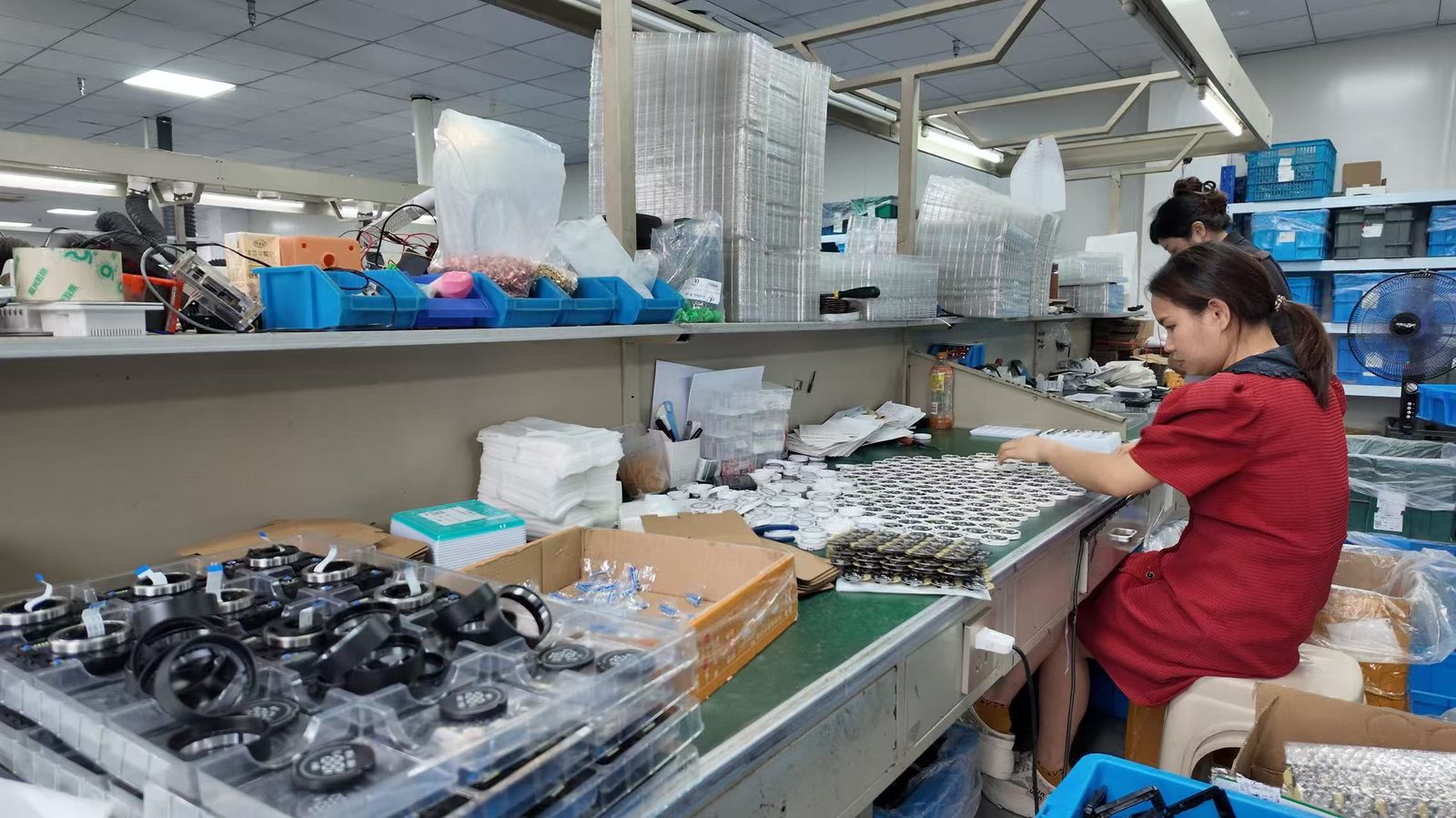
Category: Buying Guides

  • Smart Switch Certifications Importers Should Ask For

    Smart Switch Certifications Importers Should Ask For

    A certificate that does not match the model you ordered is worthless at customs. It is also one of the most common reasons a first shipment gets held, and it is entirely avoidable if you ask the right questions before the deposit is paid.

    This guide lists what a smart switch supplier should be able to send you for the European Union, the United Kingdom and the United States, what each document actually proves, and how to check that the paperwork covers your order rather than someone else’s.


    Who is legally responsible for compliance

    This is the point most first-time importers miss. In the European Union, the manufacturer is responsible for drawing up the technical documentation and the declaration of conformity, but the moment goods are placed on the EU market under your brand, you become the manufacturer in the legal sense – or the importer, if the product keeps the factory’s brand and you only resell it.

    Either way the obligation does not stay in China. If a product is found non-compliant, the request for evidence arrives at the company selling it in Europe, not at the factory. That is why the paperwork needs to be verified at the quotation stage: you are the one who will have to produce it.

    Start with the destination market, not the product

    Compliance is decided by where the goods will be sold, not by what the product does. The same wall switch needs different documents for Germany, for the UK and for the United States. Tell your supplier the destination market before you ask for a quotation, not after.

    The four documents you will be asked for

    • CE marking — the declaration that a product meets the applicable EU directives. It rests on test evidence; it is not a certificate issued by a government body.
    • UKCA marking — the UK equivalent for Great Britain, administered separately from CE.
    • FCC — the United States requirement for anything that transmits or emits radio frequency, which includes Wi-Fi and Zigbee modules.
    • RoHS — the restriction on hazardous substances in electrical equipment, applied in the EU and mirrored in many other markets.

    CE is not a single certificate

    For a mains-powered smart switch, CE normally rests on at least three pieces of evidence: the Low Voltage Directive for electrical safety, the EMC Directive for electromagnetic compatibility, and the Radio Equipment Directive because the product contains a transmitter.

    Ask for all three. A supplier who sends one page headed “CE certificate” is usually sending a RoHS report with a CE logo on it, which is not the same thing. The European Commission publishes what CE marking does and does not mean, and it is worth reading once before you rely on any certificate.

    The Radio Equipment Directive deserves separate attention because it is the one that catches switches. It applies to any product that intentionally transmits or receives radio waves, it sets requirements on the radio spectrum, and it also added cybersecurity-related requirements that radio equipment manufacturers have to address in their documentation.

    What a correct declaration of conformity contains

    A declaration of conformity is a legal document, so it has a fixed shape. If any of the following is missing, the document is not doing its job:

    • The legal name and full address of the manufacturer, and of the EU importer or authorised representative where one is appointed.
    • The product identification, including the model number exactly as printed on the product and the carton.
    • The directives and the harmonised standards the product is declared against, with their published dates.
    • The place and date of issue, and the name and function of the person signing on behalf of the manufacturer.

    The harmonised standards are the part to check closely. A declaration that cites the right directives but the wrong standard family tells you the document was assembled from a template rather than from a test file.

    Test reports versus declarations of conformity

    A test report is produced by a laboratory and shows measured results for a specific sample. A declaration of conformity is a signed statement by the manufacturer that the product meets the relevant directives. They serve different purposes and one does not replace the other.

    Customs officers and marketplace compliance teams want both, and they want them to reference the same model number that appears on your carton. When a marketplace suspends a listing, the usual cause is not a failed product but a model number that does not match.

    Great Britain and the United States

    Great Britain. The UKCA marking regime runs separately from CE. The UK government publishes the current rules on using the UKCA marking, including which products and which deadlines the marking applies to, and the position on accepting CE marking in Great Britain has changed more than once. Confirm the status for your specific product category before printing packaging.

    United States. Radio products fall under FCC equipment authorisation. The route depends on whether the device transmits intentionally and how it is built: some devices are self-declared by the manufacturer, while intentional radiators such as Wi-Fi and Zigbee modules normally require testing at an accredited laboratory and an FCC ID. A supplier who cannot tell you the FCC ID for the module inside the switch has not finished the paperwork.

    Beyond safety: RoHS, WEEE and packaging

    Electrical goods carry obligations that sit alongside product safety and are easy to forget until a buyer or a marketplace asks for them. In the EU, RoHS restricts the use of certain hazardous substances in electrical and electronic equipment, and the WEEE directive governs what happens to the product at the end of its life, including the crossed-out wheeled bin marking and registration obligations in member states. Packaging and battery rules are separate again and are usually managed by the importer, not the factory.

    If you sell through a marketplace, its compliance documentation requirements are often stricter than the legal minimum. Ask for the test reports in the format the marketplace accepts before production starts, not during the listing review.

    Three checks that catch most problems

    • Does the model number on the certificate match the model number you are buying, including any market-specific suffix?
    • Was the certificate issued to the factory that is actually producing your order, or to a trading company in another city?
    • Is the report dated after the last change to the electronics, or does it refer to a revision that no longer exists?

    If any of the three answers is unclear, pull a sample from the current production batch and have it tested independently. That cost is small compared with a container sitting at port.

    Certificates that are not what they look like

    • ISO 9001 is not product compliance. It certifies a quality management system, not that any particular product meets a safety or radio standard. It is useful evidence about the factory, not about the goods.
    • A “CE certificate” issued by a commercial lab that is not a notified body may still be useful test evidence, but it does not by itself make a product CE compliant. Compliance is a declaration backed by evidence, not a badge.
    • A report citing a withdrawn standard. Standards are updated and replaced. A report against a superseded edition may not be accepted, even when the laboratory that issued it is reputable.
    • A document that covers a family rather than a model. Family certificates exist and are legitimate, but the certificate has to list the model you are buying. If it does not list it, it does not cover it.

    What we provide with every order

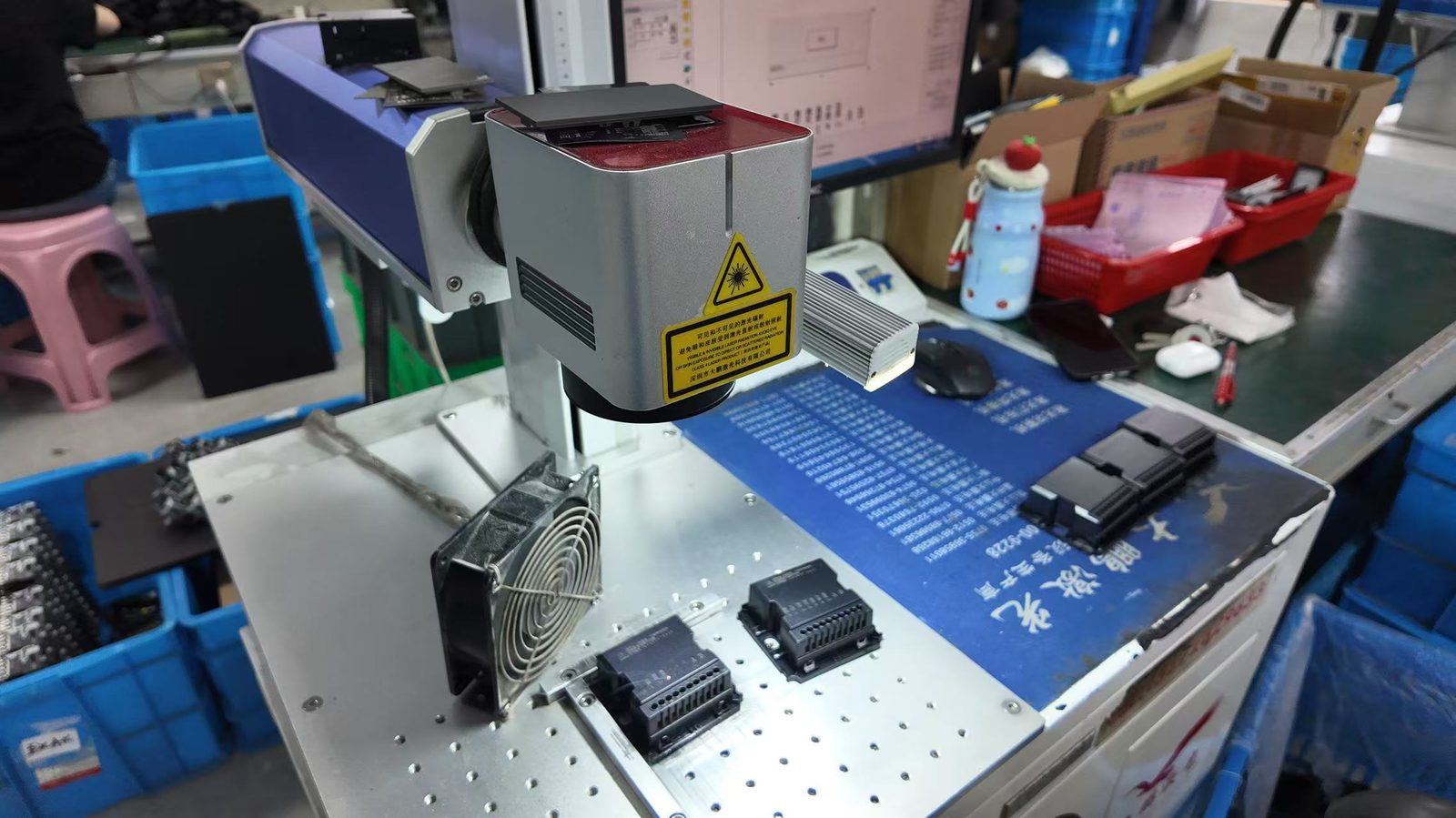
    Each order ships with a declaration of conformity and the supporting test reports for the destination market, issued against the model number printed on the carton. Rating plates are laser marked in house, so the marking on the product matches the marking on the paperwork. Our quality control process covers incoming components, in-line inspection and final inspection before packing.
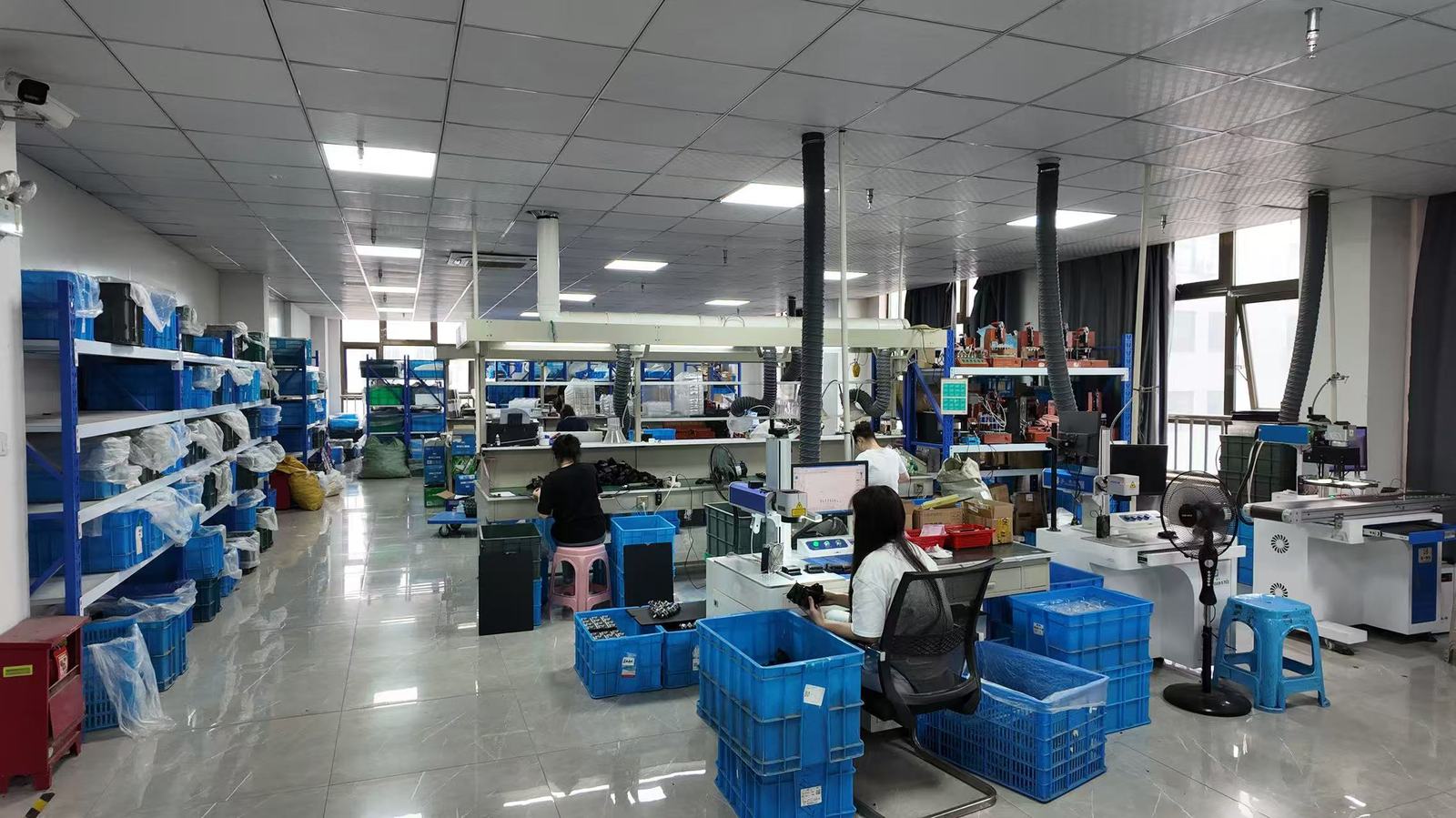
    Smart switch assembly line with in-line inspection stations

    If your market needs a specific test standard, tell us at the enquiry stage and we will confirm it as part of the OEM and ODM service quotation. The wall switch and socket ranges are tested to the same documentation standard regardless of the finish or branding you specify.

    Sources

  • How to Choose a Reliable Supplier in China

    How to Choose a Reliable Supplier in China

    Importing from China is not difficult because good factories are hard to find. It is difficult because a reliable supplier and an expensive mistake look almost identical at the quotation stage: both answer quickly, both send a competitive price, and both say the specification can be met.

    The difference only becomes visible later – in the sample that arrives with the wrong PCB, the container that fails inspection, or the certificate that turns out to cover a different model. This guide sets out the six steps we recommend to any first-time importer, in the order they should be carried out.

    Why supplier selection carries more risk than price

    A 6% price difference on a container is a small number. A rejected container is not: you pay for the goods, the freight, the inspection, the return or the rework, and you lose the selling season you were buying for. On electrical goods there is a further risk, because a product that fails the destination market’s safety requirements cannot be sold at all.

    This is why the steps below are front-loaded. Most of the cost of a bad supplier is decided before the first order is placed, not after.

    Step 1: Write the specification before you contact anyone

    A specification is not a wish list. It is the document both sides will use to decide whether the goods are acceptable, so it needs to be specific enough to be argued about. At minimum it should cover:

    • Material and finish, with a reference sample or a colour code rather than a description.
    • Dimensions with tolerances, not dimensions alone.
    • The standards the product must meet in the destination market.
    • Packaging: retail box or bulk, artwork responsibility, and how the carton is marked.
    • Order quantity for the first order and the expected annual volume.
    • Who owns the tooling, and what happens to it if you change supplier.

    Suppliers quote what they are given. If the specification is vague, the quotation is vague, and every supplier appears equally capable because none of them has been asked a precise question. A written specification is also the fastest way to find out which suppliers actually read it.

    Step 2: Find candidates, then screen them by behaviour

    Most buyers start on the well-known B2B platforms, and that is a reasonable starting point. The screening, however, should not stop at the platform profile. Platform tenure, transaction history and response quality are all useful signals, and a supplier who has traded on the same account for several years has more to lose than one who registered last month.

    Trade data is the other useful screen. The UN Comtrade database publishes import and export statistics by product code and partner country, which lets you see whether the product category you are buying genuinely flows from China to your market at the volumes being discussed. It will not identify a specific factory, but it will tell you whether the numbers you have been quoted are plausible.

    Step 3: Verify the company, not the brochure

    Every legally registered company in mainland China has a unified social credit code and a public record showing its registered capital, establishment date, registered address, business scope and any administrative penalties. Checking that record takes a few minutes and answers basic questions the brochure cannot: does the company exist, is it old enough to be stable, and does its registered business scope actually include manufacturing the product you are buying?

    The last point matters more than it sounds. A large number of “manufacturers” on B2B platforms are trading companies. That is not automatically a problem – a good trading company can be a better partner than a weak factory – but it changes the questions you need to ask about who controls tooling, quality and delivery.

    The other check that separates real factories from intermediaries is a live factory audit, either by your own visit or by a third-party inspection company. Any supplier who refuses an audit, or who will only allow a visit to a meeting room, has answered the question.

    Step 4: Ask the questions that reveal how the factory works

    Price and lead time are the two easiest answers to give and the two least informative. The questions below are harder to answer well, and the quality of the answers predicts the order more reliably than the quotation does:

    • What is the minimum order quantity, and what drives it? A MOQ that maps to a real constraint – a mould, a panel size, a component spool – is a real MOQ. A MOQ that changes as soon as you push is a negotiating position.
    • Which parts of the product do you make in-house, and which are subcontracted? This is where lead-time risk and quality risk live.
    • What is the sample lead time and the production lead time separately? A single combined number hides where the delay will appear.
    • What are the payment terms, and what triggers each stage? Terms tied to inspection milestones are worth more than terms that are simply lower.
    • Who owns the tooling and the artwork files? Ask before the first order, not after.
    • How do you handle a batch that fails inspection? The answer should be a process, not a promise.

    How a supplier answers is more revealing than what they answer. References from existing buyers are the same kind of signal: a supplier with several long-standing export customers can usually put you in touch with one, and the way they respond to that request tells you how they expect the relationship to work. How we run this stage on our own orders is described on the quality control page.

    Step 5: Agree the trade terms before negotiating the price

    A quoted price means nothing until the delivery term is fixed, because the same ex-works figure and delivered figure can differ by more than the price difference you were trying to negotiate. The International Chamber of Commerce publishes the Incoterms rules that define who arranges and pays for carriage, insurance, export clearance and import clearance under each three-letter term, and which point the risk transfers to the buyer.

    Two practical points are worth stating. First, compare suppliers on the same Incoterm, or the comparison is meaningless. Second, if you are new to importing, EXW puts almost all the logistics burden on you, while terms such as CIF shift the freight arrangement to the supplier but also hand them the choice of carrier and routing.

    Step 6: Inspect before shipment, then scale

    The cheapest risk reduction in importing is a pre-shipment inspection carried out by an independent third party against the specification you wrote in step 1. The inspection happens at the factory, before the goods are packed into a container, which is the last moment when a problem can still be fixed without shipping it around the world first.

    Scale only after the first order has been delivered and checked. A supplier who performed well on 200 units has demonstrated capability, not capacity – the second order is where tooling wear, subcontracting and rushed production usually appear.

    The red flags that predict a bad order

    • A price well below the rest of the market, with no explanation of what was removed to get there.
    • Unwillingness to put the specification, tolerances and inspection standard in writing.
    • Certificates that name a different model, a different factory or an expired standard.
    • A refusal to allow a third-party inspection or a factory visit.
    • Payment requested to a personal account rather than a company account.
    • Answers that arrive instantly and perfectly, for questions that require the factory to check something.

    How this applies to a two-division supplier

    For buyers furnishing a property, the sourcing question is rarely about a single product. A hotel room needs wall switches, sockets and a fitted furniture package, and each of those has its own certification and inspection requirements. Consolidating them with one supplier reduces the number of audits and inspections you have to commission, but it raises the bar on verification, because a single weak product line now affects the whole shipment.

    The specification-first process on the OEM and ODM page describes how that works in practice, and the product pages show the ranges it applies to.

    Sources

    If you are at step 1 and want the specification reviewed before it goes out to suppliers, send it across and we will tell you which parts are likely to cause a quotation to come back wrong.

Company names, products, specifications and figures shown on this site are fictitious, and nothing here is offered for sale. See how this site was built and measured.