
This is the sequence we follow with importers, distributors and project contractors, from first enquiry to shipped order, together with the compliance points that are usually discovered too late.
Start with a drawing, not a photograph
A photograph tells a factory what a piece looks like from one angle. A drawing tells it what to build. At minimum you need overall dimensions, the position of every shelf and rail, the thickness of each panel and the load it has to carry.
If you do not have drawings, send a photograph plus the dimensions you need and we will produce a drawing set for approval. That drawing is the document the order is built from, so it is worth spending a day on. Every change after approval costs more than the change itself, because it usually means re-cutting panels that have already been prepared.
Choose the material before the design is final
Material decides cost, weight, shipping volume and how the piece behaves in a humid climate. These are the five we work with most often.
- Solid wood — the highest perceived value and the least stable in dry interiors. Best used for frames, legs and visible edges rather than for wide panels that will move.
- MDF — smooth, stable and easy to finish. The standard choice for painted panels and shaped fronts.
- Plywood — lighter and stronger than MDF at the same thickness, with good screw holding. Common for drawer boxes and structural panels.
- Metal — used for frames, legs and hardware. Powder coating gives a durable finish in any RAL colour.
- Glass and stone — usually specified for tops. Both add significant shipping weight and change the packing method.
The material decision is also the compliance decision. Panels made from engineered wood are the reason importers get asked for formaldehyde documentation, and timber sourcing is now regulated in the EU. Both points are covered further down.
Where the money actually goes
Two quotations for the same cabinet can differ by 40 percent without either factory being dishonest, because they are not quoting the same object. The cost of a furniture order sits in four places:
- Panel material and finishing. A veneered or lacquered panel can cost several times a melamine-faced one, before any labour difference.
- Hardware. Hinges and drawer runners are the first place a quotation is reduced. Ask for the brand and the model, not just “soft close”.
- Labour content. Hand-applied finishes, upholstery and complex edge profiles are labour, and labour is where a rushed factory saves time first.
- Packing and freight volume. A design that packs 15 percent more efficiently is a real cost reduction on every container for the life of the product.
When you compare quotations, compare the hardware schedule, the panel build-up and the carton dimensions. Those three answers explain most price differences without anyone having to argue about the price itself.
The sample is the contract
Approve a physical sample before bulk production, and keep it. The sample settles arguments about colour, gloss level, edge profile, upholstery tension and the feel of the hardware, none of which a specification document resolves on its own.
We photograph the approved sample from a fixed set of angles and store the images with the order file, so the bulk shipment can be compared against it at final inspection. Buyers who keep their approved sample in the warehouse, rather than in an office drawer, tend to have far fewer disputes with their own customers later.
Compliance questions that arrive after the order
Furniture compliance is quieter than electrical compliance, which is why it is often forgotten until a buyer or a marketplace asks for documents. The three questions that come up most often are formaldehyde, timber sourcing and strength.
Formaldehyde. Engineered wood panels and the adhesives in them release formaldehyde, and both the United States and the European Union regulate the limits. In the United States the relevant rules sit under the Toxic Substances Control Act, and the Environmental Protection Agency publishes the requirements and the accepted test methods. Ask for the panel supplier’s test evidence, not just a statement that the board is low-emission.
Timber sourcing. The EU Deforestation Regulation places due-diligence obligations on operators placing relevant commodities on the EU market, and timber and wood products are within scope. If you are importing wooden furniture into the EU, the question of where the timber came from has moved from a marketing claim to a documentation requirement. Forest Stewardship Council certification is one of the recognised ways of demonstrating that a supply chain is responsibly managed.
Strength and stability. Contract buyers in Europe commonly ask for test evidence against the relevant European furniture standards covering strength, durability and stability. If your customer is a hotel group or a public buyer, ask them which standards the specification references before you brief the factory, because the test has to be carried out on the actual design, not on a similar one.
Container planning: the number that decides the design
On most furniture projects the real constraint is not the budget, it is the container. A 20-foot container holds roughly 28 cubic metres and a 40-foot high cube holds around 76, and the difference between those two numbers is decided by how the product packs, not by how many units the customer wants.
This is why carton dimensions belong in the design conversation rather than in the shipping conversation. A wardrobe depth reduced by five centimetres, or a table that ships with the legs detached, can change the number of units per container by a third. On a project that repeats every season, that multiplier applies to every order.
It is also why mixed containers work well for furnishing projects. Bedroom, living room and dining pieces from the same panel and finish range can share a container with the smart switches and sockets for the same building, which reduces both the freight cost and the number of suppliers a project manager has to coordinate.
Moisture content and acclimatisation
Timber moves, and furniture made in a warm humid climate and delivered into a heated apartment will move in the first weeks after installation. Most of the complaints that look like manufacturing defects – a drawer that binds, a door that no longer closes flush, a visible gap along a joint – are moisture movement rather than poor workmanship.
- Agree a target moisture content for solid timber parts, and ask for it to be stated on the inspection report.
- Seal exposed end grain, because that is where moisture enters and leaves fastest.
- Let the goods acclimatise in the destination room before assembly, rather than unpacking them straight off the lorry into a finished interior.
What goes wrong in a first shipment
First orders in this category tend to fail in the same handful of places. Knowing them in advance is most of the prevention:
- Incomplete hardware kits. Count the fittings against the assembly instruction before the cartons are sealed, not after they arrive.
- Corner damage. Flat-pack furniture usually fails at the corners of the panel, which is a packaging decision rather than a production one.
- Colour variation between panels. Panels finished in different batches can differ enough to be visible under daylight. Confirm how many panels are in one finishing batch.
- Instructions in the wrong language, or written for a different configuration of the same product.
- Weight per carton. A carton that two people cannot lift safely will be damaged before it reaches the customer.
Flat pack or assembled
This decision changes everything downstream, including cost, hardware and carton dimensions.
- Flat pack reduces shipping volume by roughly 60 to 80 percent and is the default for retail and e-commerce. It shifts assembly to the end customer and demands better packaging engineering, clearer instructions and more careful hardware kitting.
- Assembled protects the finish and arrives ready to install. It is the usual choice for hotel and contract work, where labour on site is expensive and a damaged edge costs more than the freight saving.
Tell us which one you need at the quotation stage rather than after the order is confirmed. Carton dimensions, corner protection and the drop-test standard are all decided by that one answer.
What we manufacture
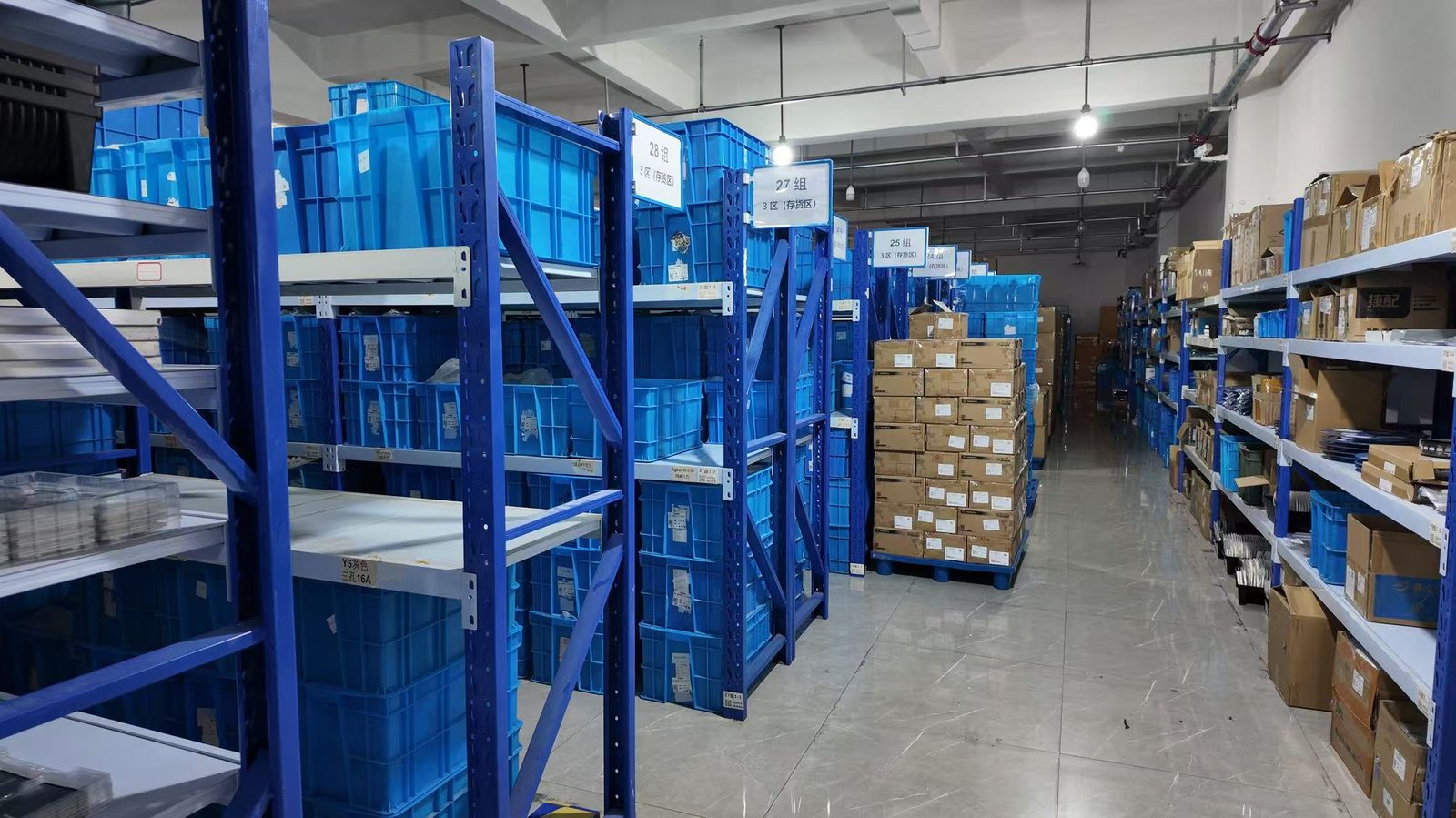
We produce living room, bedroom and dining room collections in solid wood, MDF, plywood, metal and glass. Dimensions, finishes, upholstery and packaging are produced to order, and the furniture line ships together with our smart switch range when a project needs both.
Sources
- The US Environmental Protection Agency publishes the formaldehyde requirements for composite wood products.
- The European Commission sets out the EU Deforestation Regulation and the products in scope.
- The Forest Stewardship Council explains how chain-of-custody certification is verified.


Leave a Reply